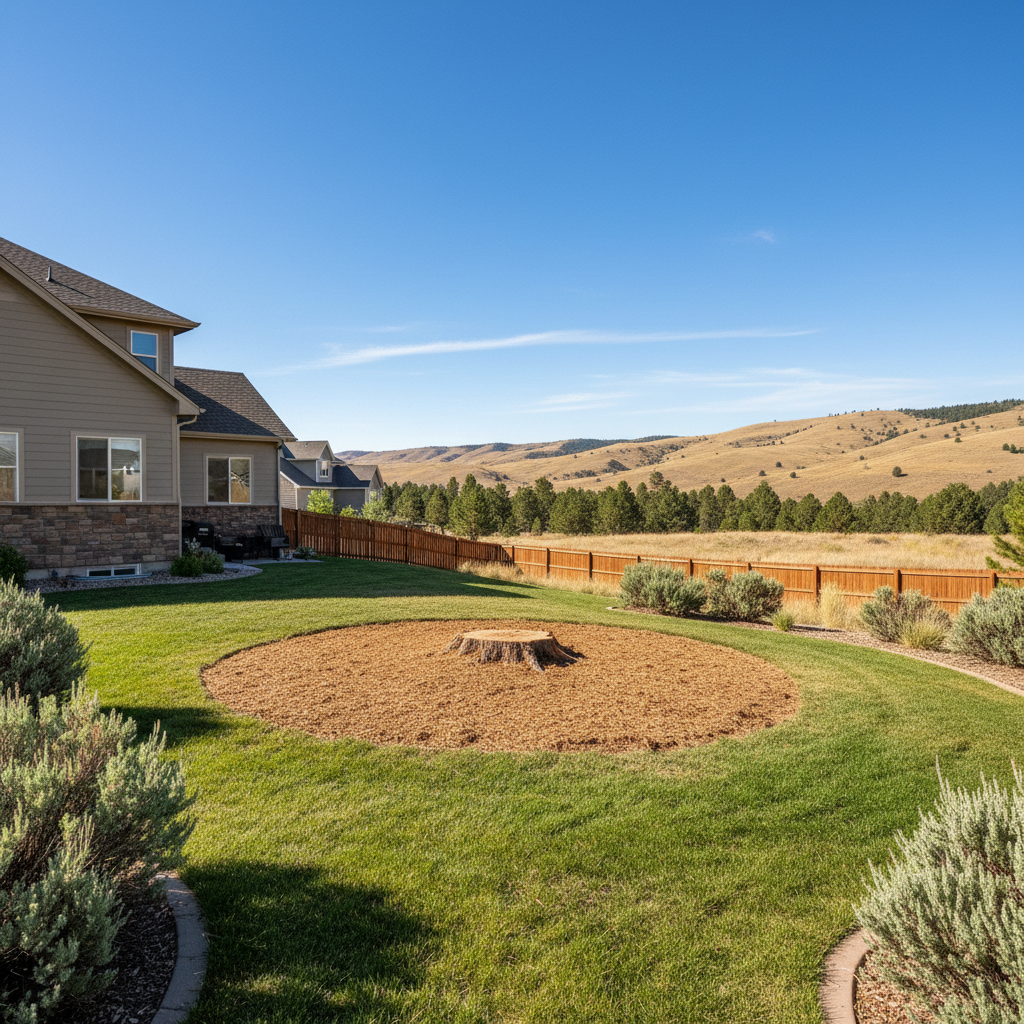
So, you finally got rid of that old stump that was an eyesore or a tripping hazard in your yard. Nice work! Whether you had it ground down or completely removed, you've made a real investment in your property. Now, you might be wondering, what's next? How do you make sure that spot stays clear and healthy, especially with our Billings weather throwing everything at it?
Making Your Stump Removal Spot Last
When we grind a stump, we typically go down about 6 to 12 inches below the ground level, sometimes more depending on the size and type of tree. This leaves a pit, usually filled with a mix of wood chips and soil. Your first task? Make sure that area gets properly filled in. Don't just leave a divot; that'll collect water and can lead to bigger problems later on. We suggest filling it with good quality topsoil. You can even mix some of the finer wood chips back in, but don't overdo it. Too many wood chips will break down slowly and can tie up nitrogen in the soil, making it tough for new grass or plants to get going.
Once it's filled, compact it a bit. No fancy compactor needed here; just walk over it a few times or tamp it down with the back of a shovel. This helps prevent future settling. Over time, those deeper wood chips will decompose, and the soil will settle. You'll probably need to add more topsoil in the months after the removal, especially after a few good rains or a spring thaw. Keep an eye on it and top it off as needed to keep the grade even with the rest of your lawn.
Keeping That Spot Clean with Regular Care
Taking care of a stump removal spot is pretty straightforward, but it really does matter. First off, keep it clear of debris. Leaves, branches, and other yard waste can pile up and hold moisture, which is the last thing you want in an area where you're trying to prevent regrowth or fungal issues. If you've planted grass, treat it just like the rest of your lawn – regular watering, mowing, and fertilizing. If you've put in a garden bed, simply follow the specific care instructions for your plants.
One thing you'll definitely want to watch out for, especially with certain tree species like cottonwoods or aspens common around the Heights, is suckering. These trees are notorious for sending up new shoots from any remaining root fragments. If you see little sprouts popping up around where the stump used to be, don't ignore them. Pull them out as soon as you spot them. The younger they are, the easier they are to remove and the less energy the root system has to put into them. If they get established, you might need to use a targeted herbicide, but always read the label carefully and apply it safely.
Also, think about drainage. Billings can get some heavy thunderstorms, and you really don't want water pooling in that spot. Make sure the area is graded slightly so water can run off naturally. If it's constantly soggy, well, you're just asking for problems.
Signs That Something's Not Right
You've done the work, but sometimes things just pop up. Here are a few warning signs that tell you something isn't quite right:
- New Sprouts: Like I said, suckers are a pain. If you're constantly battling new growth, it means there's still viable root material down there. It's not a disaster, but it's a sign you need to stay vigilant.
- Mushrooms or Fungi: Seeing mushrooms or other fungi growing in the area is a pretty clear indicator that there's still wood decomposing underground. While this is a natural process, excessive fungal growth can sometimes point to too much moisture or a slower-than-expected breakdown. It's usually not harmful to your lawn, but it can be unsightly.
- Unusual Settling: If the ground keeps sinking significantly, even after you've refilled it a few times, it could mean a larger void is forming as the deeper wood chips and roots decompose. This isn't common with a good grind, but it can happen.
- Pest Activity: Keep an eye out for ants or other insects that seem overly interested in the area. Decaying wood can attract pests, after all.
When to Call a Professional
Most of the time, you can handle the maintenance of a stump removal spot yourself. But there are times when it's just smart to pick up the phone and call someone like us at Tree Service Pros of Billings.
- Persistent Regrowth: If you're pulling suckers every week and they just keep coming back with a vengeance, it might be time for a more aggressive treatment. We can assess if there's a larger root system still active that needs specific attention.
- Major Settling or Drainage Issues: If you have a big sinkhole developing or the area just won't drain properly no matter what you do, we can come out and take a look. It might require more extensive filling or re-grading.
- Concerns about Fungal Growth or Pests: While most fungi are harmless, if you're worried about the type of growth or if you're seeing signs of wood-boring insects, it's always best to get a professional opinion. We can identify the issue and recommend a course of action.
- Planning New Construction or Landscaping: If you're planning to build a shed, put in a patio, or do some major landscaping over the old stump site, it's a good idea to have us check it out first. We can ensure that the ground is stable and free of any potential issues that could affect your new project. Sometimes, a deeper grind or full removal might be necessary for these types of projects to prevent future problems with foundations or paving.
Taking a little time to maintain that spot after stump removal goes a long way. It keeps your yard looking good and prevents headaches down the road. If you're ever unsure, don't hesitate to give us a call. We're here to help folks in Billings keep their properties in top shape.